
The 12 Best Fabrics for Bed Sheets
When it comes to a restorative night's sleep, comfortable bedding is just as important as a supportive mattress or a well-styled bedroom. After all, your sheets are in direct contact with your skin for roughly eight hours each night.
From the crisp, cool breathability of linen to the buttery softness of Supima cotton, every sheet material has its own personality. But with so many kinds of bedding on the market, choosing the right one can feel like a full-time job when all you want is some rest.
Whether you’re a chronic hot sleeper or a professional burrower, here are 12 of the best fabrics for bed sheets that will make you look forward to bedtime.
Best overall bed sheets
1. Cotton bed sheets
Cotton bed sheets are like the basic tees of your closet—durable, effortlessly stylish, and ready for any weather. They soften with every wash while keeping their structure intact, making them the ultimate “set it and forget it” option.
Cotton sheets are low-maintenance yet luxurious enough to feel like a hug the moment you climb in. Machine-washable and easy to care for, they’re perfect for everyday use. For that crisp, five-star hotel feel, a quick iron is all it takes.

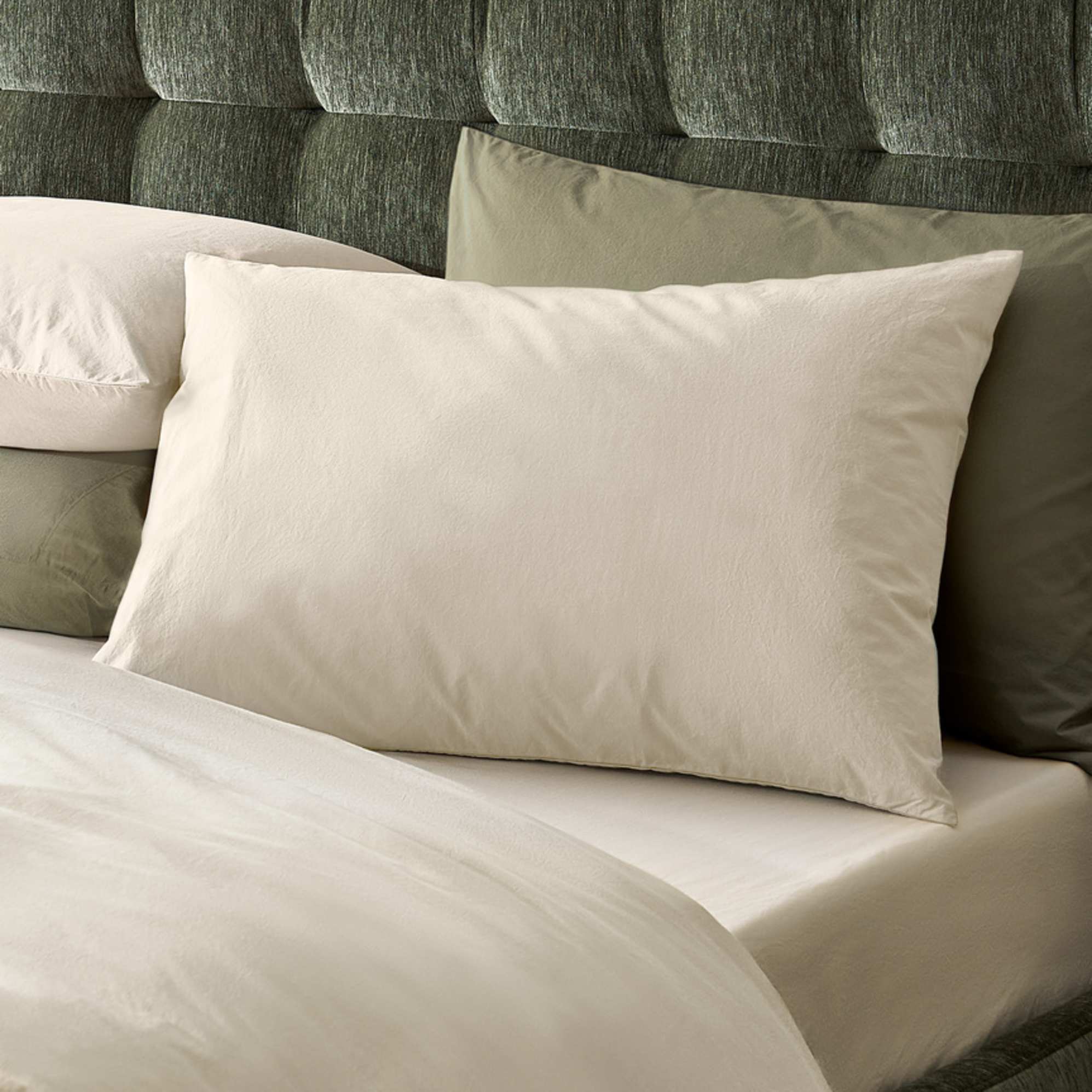
2. Microfibre bed sheets
If cotton is the reliable basic tee, microfibre is the high-tech yoga leggings of the bedding world. Made from ultra-thin synthetic fibres, these sheets are silky, lightweight, and wrinkle-resistant, perfect for those who consider bed-making a cardio workout.
The downside? Microfibre isn’t as breathable as natural fibres. Hot sleepers may find themselves waking up in sweat, and pilling can make them look tired after a few washes.
3. Sateen bed sheets
Want a bed sheet material that delivers a good serving of drama? Sateen is your answer. With their gorgeous, subtle sheen, sateen sheets offer an incredible drape and silky feel, perfect for turning your bedroom into a high-end hotel suite.
Better yet, frequent washing won’t strip away their softness, making them glamorous enough for guests but sturdy enough for real life.
Best cooling bed sheets for hot sleepers
4. Egyptian cotton sheets
Prized for its luxurious softness and breathability, Egyptian cotton is royalty in the bedroom. It’s the easiest way to feel like you’ve checked into a five-star suite every single night, without the looming threat of a morning checkout.
With thread counts often between 400 and 1,000, this fabric is a top contender for peak indulgence.
Though they sit at a higher price point, investing in Egyptian cotton is a commitment to years of restful, comfortable sleep. With proper care, these sheets resist pilling and maintain their rich texture, making them an excellent choice for hot sleepers who also crave a hotel-quality sleep experience in their own bedroom.
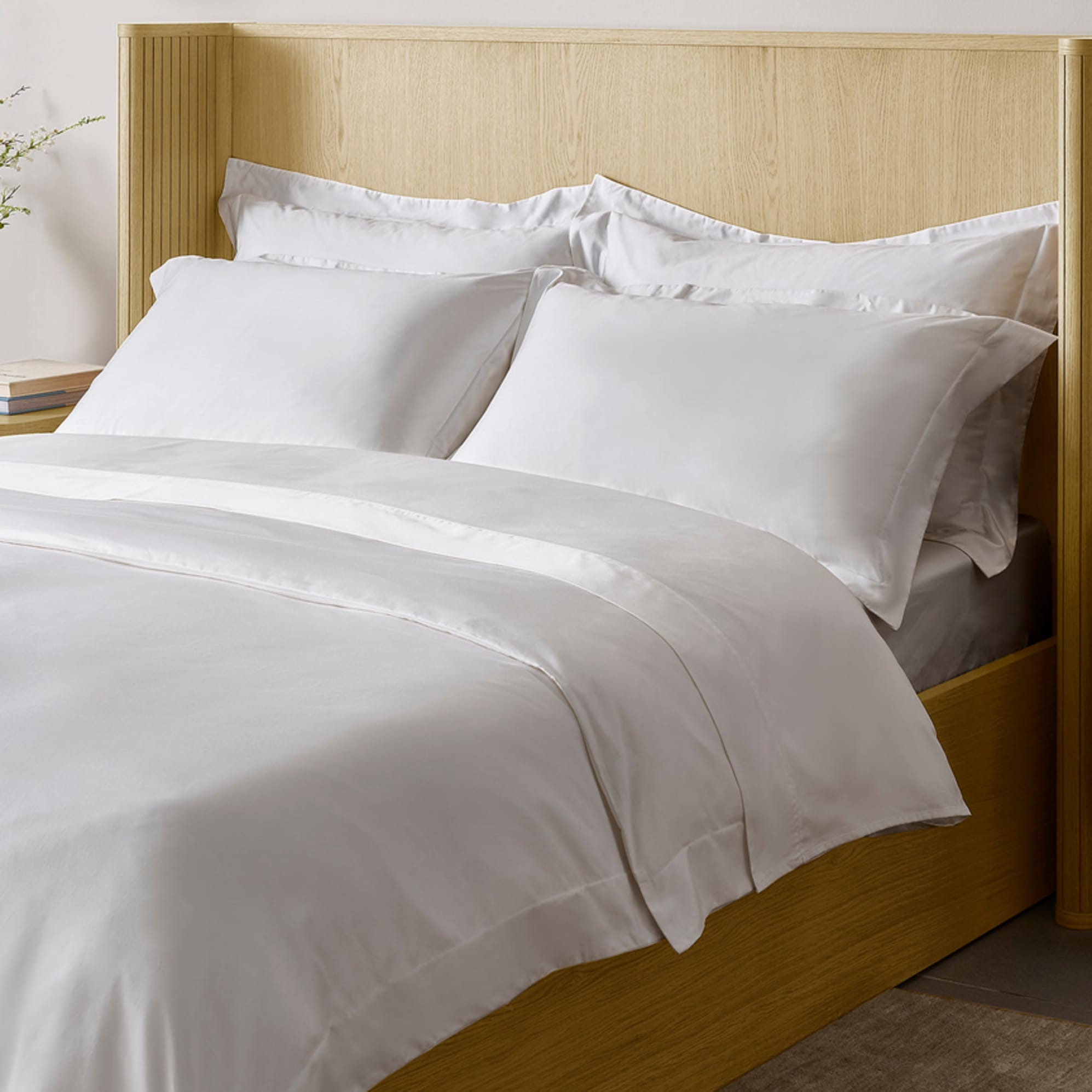

5. Tencel bed sheets
Derived from eucalyptus wood pulp, Tencel bedding is celebrated for its sustainable, closed-loop production.
It’s a dream for the “human heaters” among us, offering a silky-smooth touch that makes sliding into bed the highlight of your 24 hours. Thanks to its highly breathable and moisture-wicking qualities, it regulates body temperature and keeps you cool when the weather (or your air-con) has other, sweatier ideas.
And with their durability and wrinkle-resistance, you don’t have to worry about a high-maintenance laundry routine.

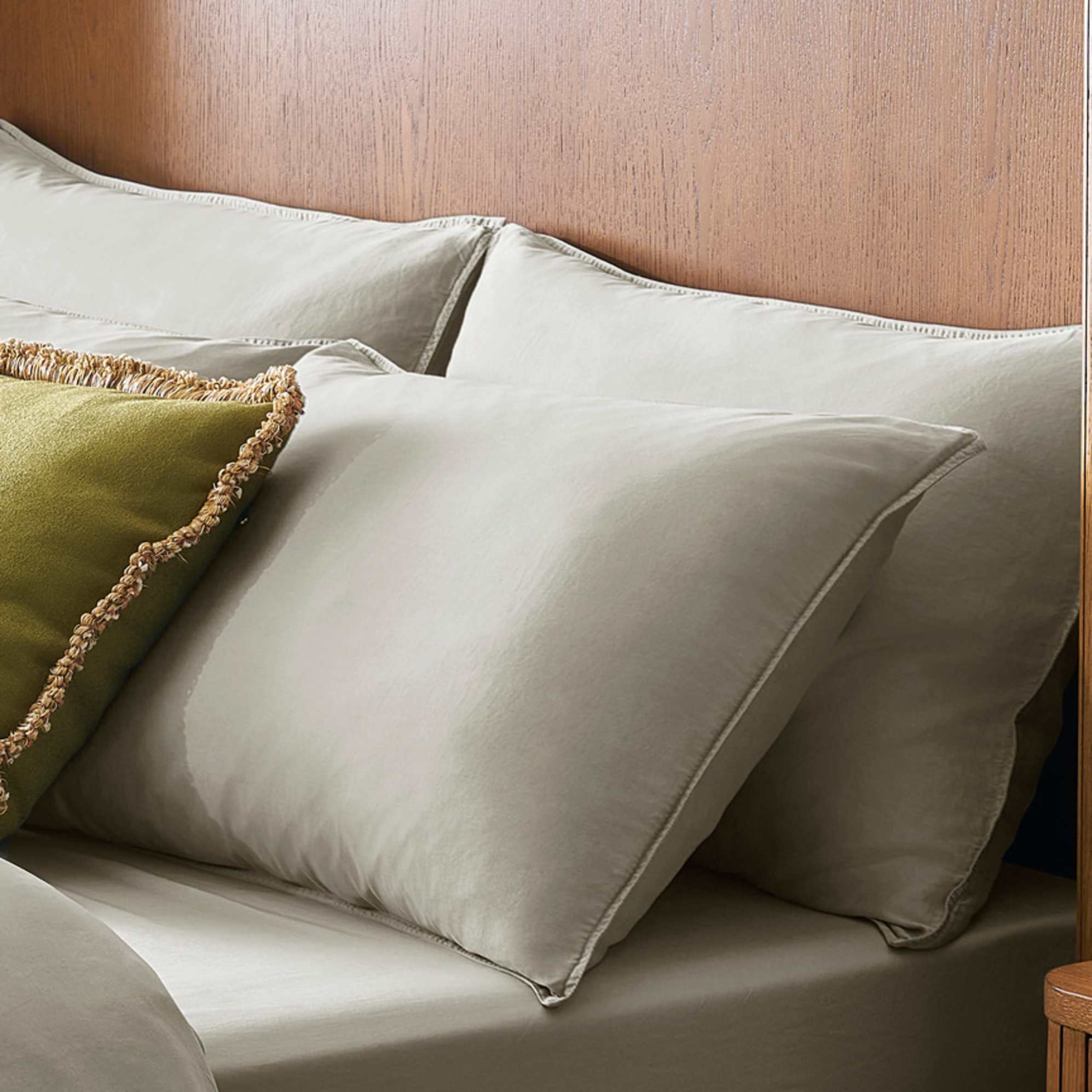
6. Bamboo bed sheets
Bamboo sheets are naturally silky, smooth, and hypoallergenic, making them ideal for sensitive skin or allergy-prone sleepers. Beyond their soft touch, they excel at moisture-wicking, pulling sweat away from your body and leaving you dry and comfortable through the night.
Their natural breathability and temperature regulation make bamboo one of the best cooling bed sheets for anyone who runs hot, yet they maintain a luxurious, silky feel that rivals high-end cotton.
Eco-conscious sleepers will also appreciate that bamboo is a fast-growing, renewable resource, so your comfort comes with a smaller environmental footprint.
7. Percale bed sheets
If you hate the “stuck-to-the-sheets” feeling, percale is your saviour. Its crisp, breathable weave feels like a perfectly ventilated button-down shirt, making it one of the best cooling sheets for hot sleepers.
Lightweight yet durable, percale allows air to circulate freely, keeping your body temperature regulated even on the most humid nights. Over time, these sheets soften while retaining their signature crispness, striking the perfect balance between luxury and practicality.
If your goal is to wake up feeling refreshed instead of drenched in sweat, percale deserves a permanent spot in your linen rotation.
8. Linen bed sheets
Made from flax fibres, linen sheets are lightweight, breathable, and moisture-wicking, making them perfect for humid nights or tropical climates. Softening with every wash, you can look forward to a relaxed, lived-in look over time.
While they do wrinkle easily, which we think is a natural part of their charm, this only adds to the tactile and visual character that makes linen feel premium. If you appreciate sheets that adapt to your body’s rhythm and temperature while looking stylish on the bed, linen is a clear winner.
9. Supima cotton bed sheets
Supima cotton is prized for its extra-long fibres, which make sheets stronger, softer, and more resilient than standard cotton. They have a natural ability to regulate temperature, so you’re less likely to wake up sticky or overheated.
While they come with a higher upfront investment, Supima sheets are designed to last for years, resisting pilling and fading even after repeated washes. For those who value comfort that improves with age, these sheets are a blend of luxury and longevity, a rare combination in bedding.
Best warm bed sheets for cooler, rainy days
10. Silk bed sheets
Come for the glamour, stay for the temperature regulation. Silk bed sheets keep you cosy during a monsoon downpour yet breathable enough for a humid afternoon.
The fibres are very strong and resistant to wear and tear, meaning they’ll last many years with the right care. They’re also naturally hypoallergenic and dust-mite-repelling, making them the ultimate "no-irritation" zone for anyone whose sensitive skin usually treats new fabric like a personal attack.
11. Flannel bed sheets
Create a cosy flannel cocoon when the temperature finally drops. Made from brushed cotton or wool, its fuzzy and slightly woolly surface traps heat to keep you toasty on those rare chilly nights.
While many consider it the best material for bedding for “winter” vibes, hot sleepers may find it a bit too enthusiastic about retaining warmth.
12. Fleece bed sheets
Sink into a warm hug as you fall into a bed of fleece sheets. This synthetic option is a pro at moisture resistance and quick drying, making it a solid choice for colder, rainy nights.
However, because it lacks the breathability of natural fibres, it’s better reserved for those who love a high-heat sleep experience (or have the air-con turned down to 18°C).
What is the best bed sheet material?
Ultimately, the best fabric for sheets is the one that balances our tropical reality with your tactile preferences. Because at the end of the day, your bedroom should be a perfectly curated sanctuary for some hard-earned rest—not a sauna you’re paying rent for.
Frequently asked questions about different kinds of bedding materials
What are the best sheets to keep you cool?
The best cooling bed sheets are crafted from breathable, moisture-wicking fibres like linen, percale, or Tencel. These materials excel at promoting airflow, making them sanctuary-savers for hot sleepers seeking a crisp, sweat-free night.
What should I avoid when buying bed sheets?
Don’t be swayed by astronomical thread counts alone—sometimes those high numbers just mean heavier, hotter fabric. Instead, look for breathability and certifications like OEKO-TEX® to verify fibre quality. It’s the best way to ensure your sheets are ethically made, free from nasties, and genuinely comfortable for long-term lounging.
What is a thread count?
Thread count measures fabric density by totalling the vertical and horizontal yarns in a square inch of fabric. While it's a helpful guide, finding the best thread count for bedding involves balancing density with breathability, ensuring your sheets feel substantially soft without becoming a personal sauna.
