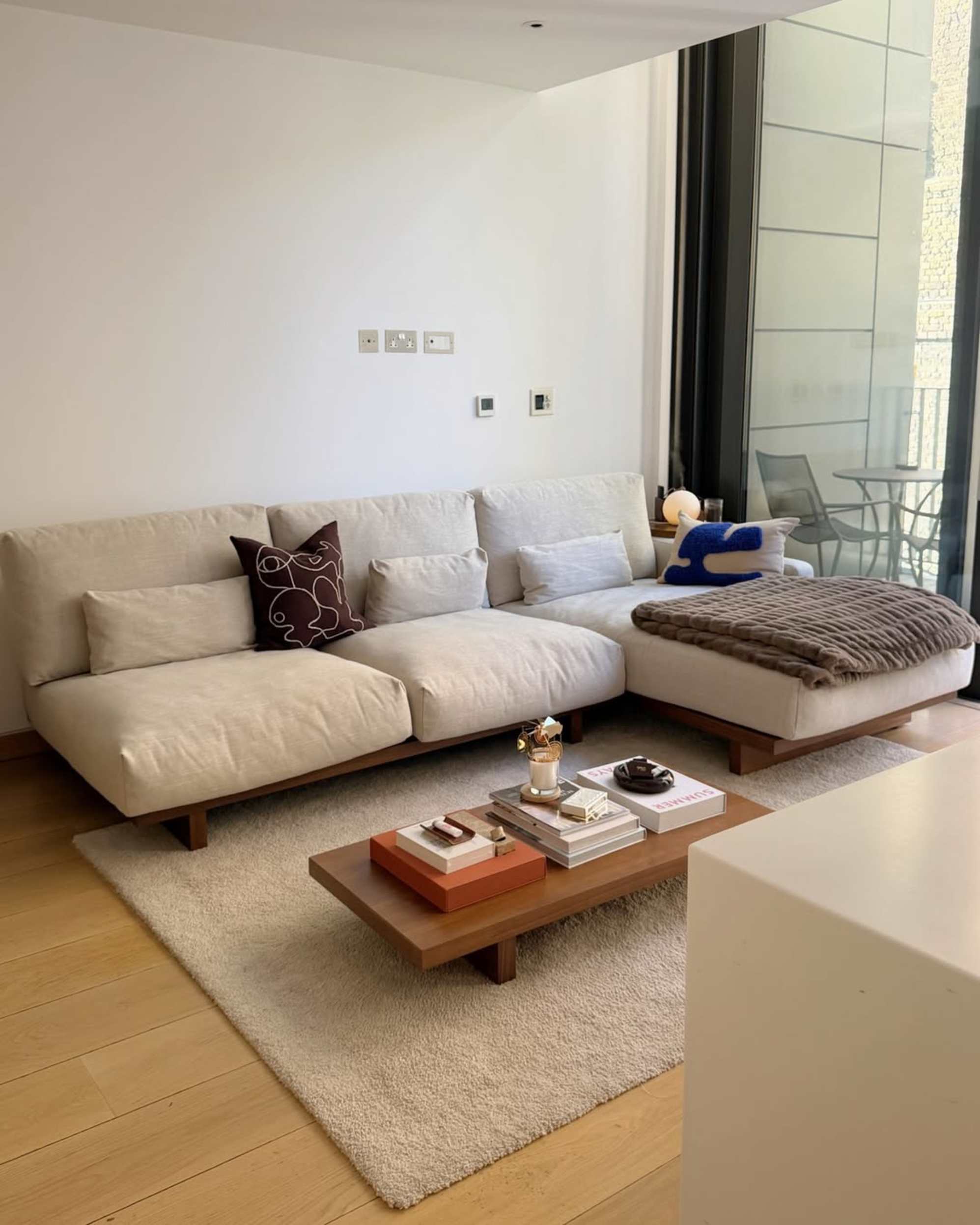
Are Sectional Sofas Actually Good for Small Spaces?
A sectional sofa for small layouts sounds contradictory at first. Sectionals are famous for abundance: more seats, more sprawl, more Sunday afternoon horizontal living.
Small rooms are famous for the opposite.
But the truth is more nuanced. The right sectional sofa for small living room layouts can outperform a standard sofa and two chairs if the proportions and placement are right. It’s not about size alone; it’s about geometry and intention.
So, are sectionals brilliant problem-solvers or beautifully upholstered bullies that take over small spaces? Let’s break it down.
Why small sectional sofas for small spaces can work beautifully
They consolidate seating into one clean footprint
Instead of scattering a loveseat, an accent chair, and a random stool across the room, a sectional gathers seating into one continuous shape. Fewer furniture pieces means fewer visual breaks and better flow.
Corners are also often underused in compact living rooms. A sectional sofa for small spaces turns that dead zone into prime real estate.
They’re built for real lounging
Some of us don’t “sit” on sofas. We fold, curl, and sprawl across them over the course of an evening. A sectional sofa understands this behavior without judgment.
The chaise section gives you built-in stretch space without needing a separate ottoman for your feet that floats around like a loose satellite.
Modular designs are secretly small-space heroes
Many modern sectionals are modular. That means:
You can swap the chaise from left to right
You can separate pieces if you move
You can expand later if your space grows
For renters or serial rearrangers, that flexibility matters. A modular sectional sofa for small space living adapts instead of locking you into one layout forever.
The Jonathan Extended Side Chaise Sectional Sofa
Picture credits: @mrsmckennabarry
The Jonathan Extended Side Chaise Sectional Sofa
Picture credits: @mrsmckennabarry
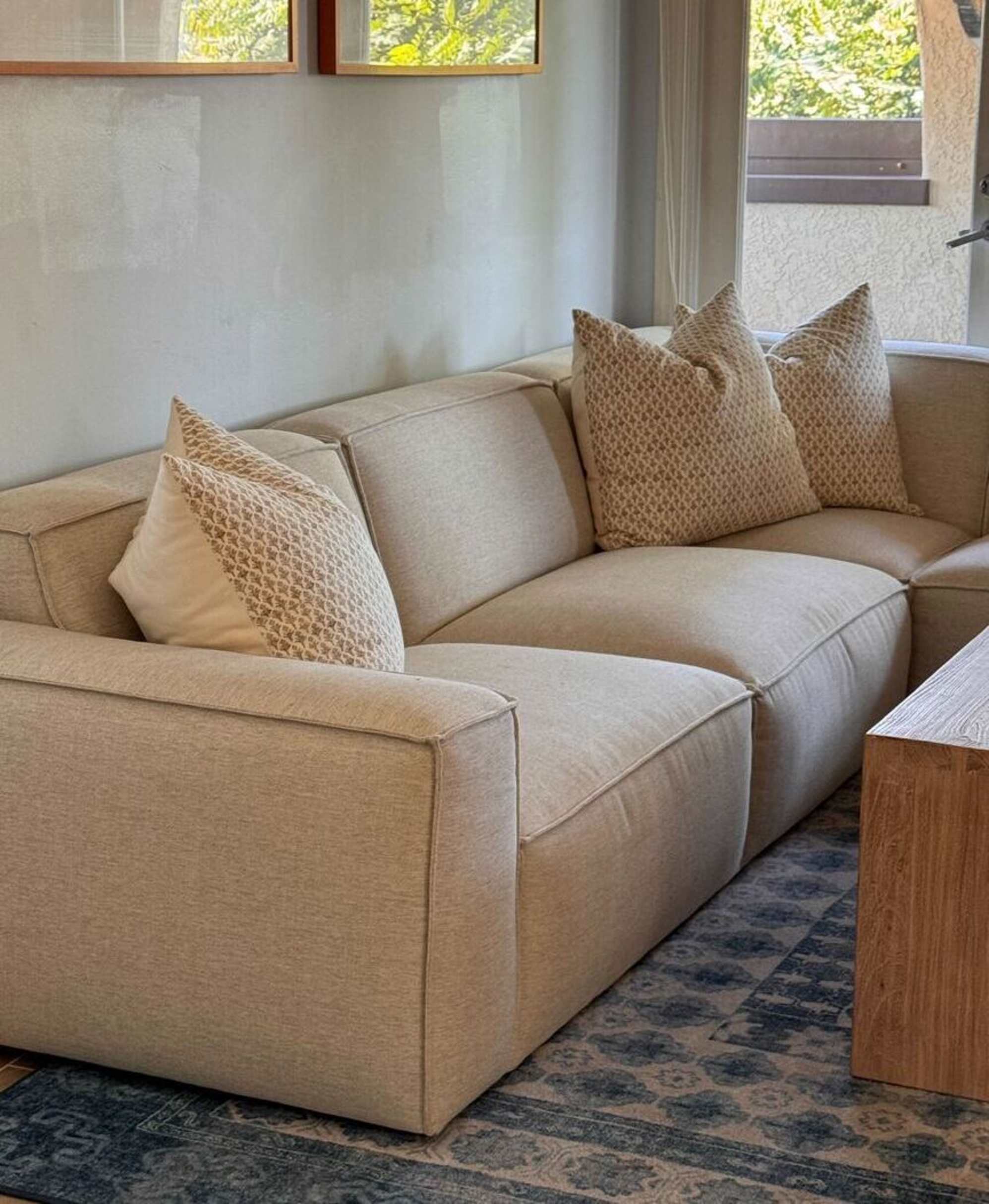
The Auburn Performance Fabric Curve Sectional Sofa
Picture credits: @withsarale
The Auburn Performance Fabric Curve Sectional Sofa
Picture credits: @withsarale

The trade-offs nobody mentions
Let’s be honest. Not every sectional belongs in a small room. Some walk in and immediately eat the floor plan.
They’re layout-committing
Once placed, most sectionals strongly suggest where everything else should go. The rug, coffee table, TV, and traffic path all must now negotiate with the L-shape. If you love rearranging your living room every three months, a sectional may feel like a very stylish constraint.
They can block the visual breathing room
In tight layouts with multiple doorways or windows, a bulky sectional can interrupt sightlines and walking paths. The room feels smaller, not because of square footage, but because movement gets complicated.
A good rule we live by: if people have to turn sideways to pass the sofa, it’s not the one.
What to check before choosing a sectional sofa for a small living room layout
Before committing to a sectional sofa for small spaces, it’s worth pausing and taking stock. Not all sectionals are created equal, and what works in one living room can feel like furniture overreach in another. A little planning upfront can save a lot of frustration later and ensure your sofa actually enhances your space instead of dominating it.
Here’s what to focus on:
Measure like your comfort depends on it
Because it truly does. The difference between a cozy small-space sectional and a sofa that makes your living room feel like a maze often comes down to precise measurements.
Wall length: Know the full span where your sofa could sit. Don’t forget to account for baseboards, radiators, or window sills that might interfere. A 7-foot sofa in a 7-foot wall might technically fit, but it leaves no breathing room for side tables or decor.
Walking clearance: Aim for at least 30–36 inches of unobstructed path for high-traffic areas. This ensures people aren’t sidestepping furniture or bumping into corners every time they walk by.
Coffee table distance: Keep at least 14–18 inches between the sofa and coffee table for comfortable legroom. Remember, if you’re adding a chaise, extend this distance further so you can sprawl without tripping over the table.
Door swing and window clearance: Check how doors open and whether you can comfortably reach windows. A sectional shouldn’t block entryways or force you to move furniture every time you open a door.
Pro tip: Tape out the sectional’s footprint on the floor using painter’s tape. Walk around it, sit on the floor, pretend you’re using it. Live with the taped layout for a day or two as this can reveal issues that measurements on paper won’t.
Choose a lighter visual profile
A small living room isn’t just about square footage—it’s also about perception. A bulky-looking sectional can overwhelm a room even if it technically fits. To keep small sectional sofas for small spaces feeling light and open, focus on design details that reduce visual weight:
Raised legs: Sofas with visible floor space underneath make the room feel larger. You can see the floor extend past the sofa, giving a sense of openness. Plus, it’s handy if you like to clean under your furniture without wrestling it out of place.
Slim arms: Thick, padded arms can double the sofa’s visual footprint. Slim, squared, or slightly tapered arms provide a sleeker silhouette while still offering comfort for lounging or resting a pillow.
Lower backs: High-back sectionals can feel imposing in compact spaces. A lower back keeps sightlines open and helps the room feel airy, especially if you have windows behind or near the sofa.
Tighter silhouettes: Opt for minimalistic lines and avoid deep overstuffing in a small room. Even a modest reduction in depth can free up valuable circulation space while still providing comfortable seating.
Here's an extra consideration: Lighter upholstery colors, subtle textures, or furniture with mixed materials (like wood legs and slim fabric cushions) also help a sectional feel less “heavy” in a small space.
The Mori Performance Fabric Chaise Sectional Sofa
Picture credits: @michellengatimin
The Mori Performance Fabric Chaise Sectional Sofa
Picture credits: @michellengatimin
The Hamilton Chaise Sectional Sofa
Picture credits: @styletheclutter
The Hamilton Chaise Sectional Sofa
Picture credits: @styletheclutter
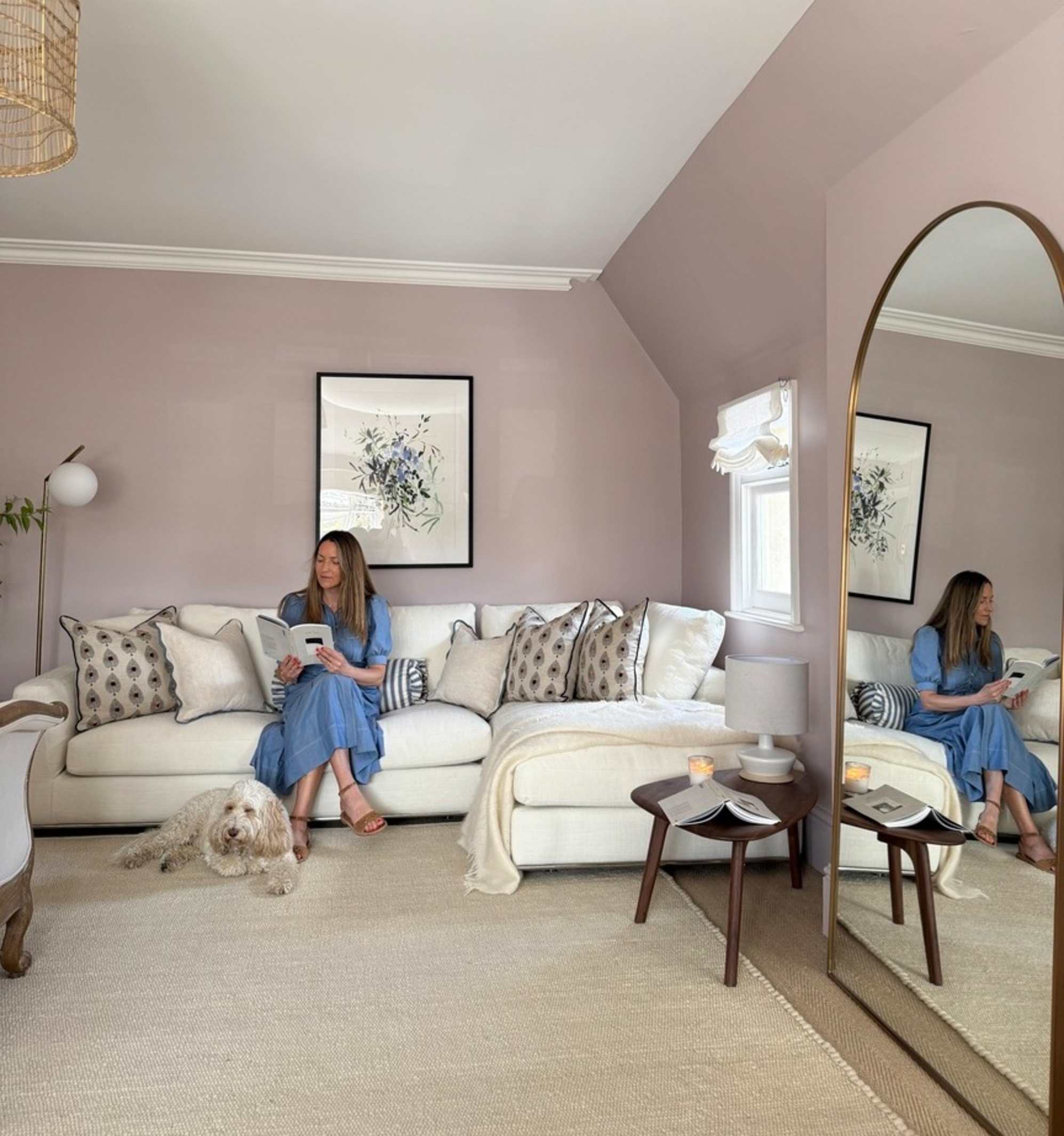
Smart alternatives if a sectional feels too heavy
If an L-shaped sectional sofa doesn't quite fit your space (or your instinct says no), there are plenty of other seating options that still guarantee a cozy spot for those essential midday naps without the space-hogging footprint.
Movable ottomans: Pull them out for extra seating when guests arrive, or tuck them under a console or coffee table when you need open floor space. Some ottomans even double as hidden storage, perfect for blankets, toys, or magazines.
One lightweight accent chair: Small, modern accent chairs can be moved around freely, allowing you to adjust your seating configuration for movie nights, parties, or even a temporary workspace. Look for chairs with slender legs and low arms to keep the room feeling open.
Compact benches: A small bench can act as a sofa extender, a coffee table substitute, or extra seating for impromptu gatherings. Choose designs that slide under a console or along a wall when not in use to maximize floor space.
With this mix, you gain the versatility to entertain, lounge, and adapt your living room layout on a whim. The room stays functional, airy, and stylish without the commitment of a bulky sectional.
The Dawson Extended Sofa with Ottoman
Picture credits: @emilyfaith.home
The Dawson Extended Sofa with Ottoman
Picture credits: @emilyfaith.home

The Owen Chaise Sectional Sofa
Picture credits: @ourkozykorner
The Owen Chaise Sectional Sofa
Picture credits: @ourkozykorner
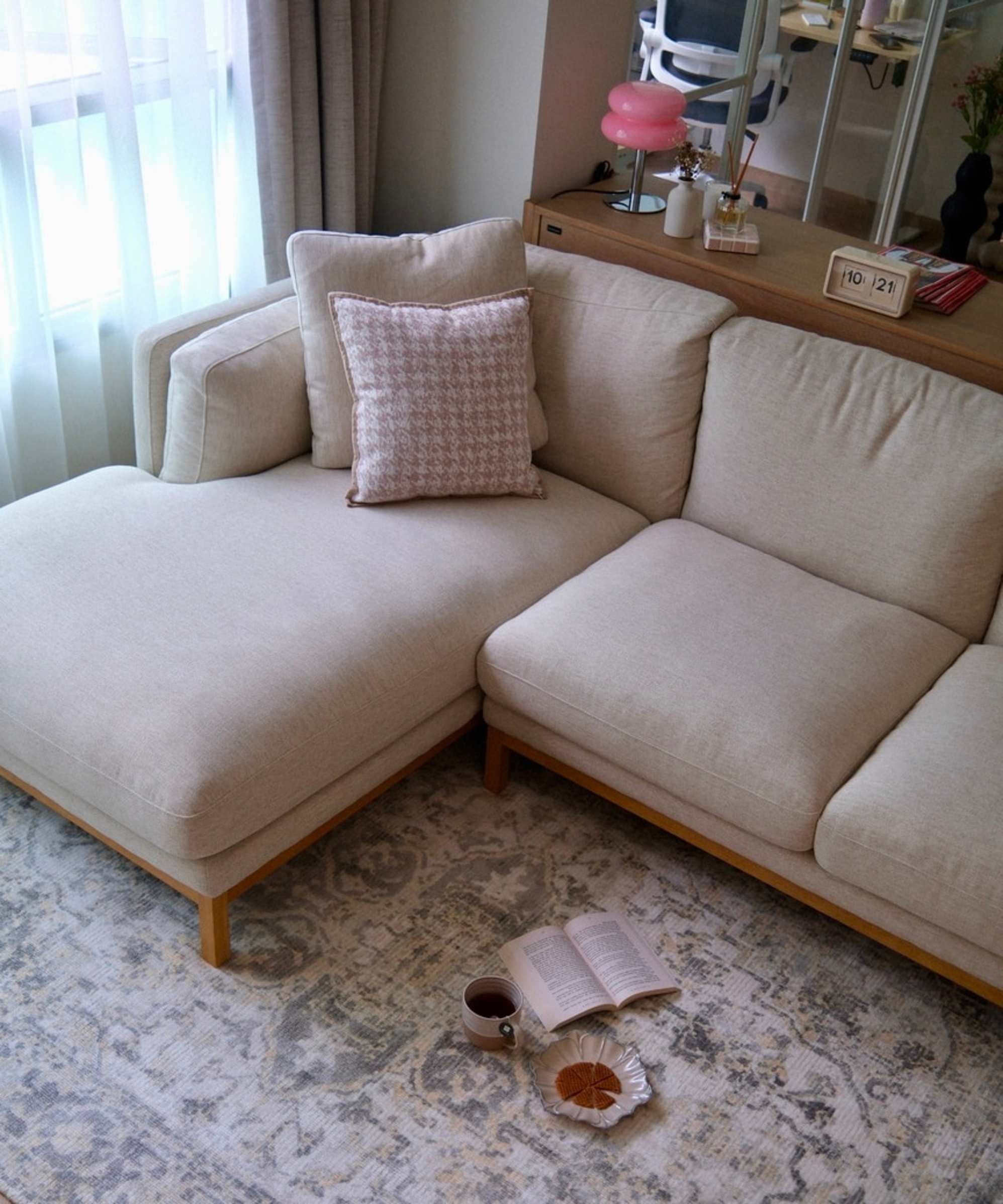
So, are L-shaped sectional sofas good for small spaces?
The short answer: yes, but only if you choose wisely. The right sectional sofa for small living room layouts can unify seating, make corners work harder, and deliver serious comfort without turning your space into a crowded space. The wrong one dominates the room, leaving you frustrated and stepping over furniture.
Take the time to measure, map out walking paths, and think honestly about how you lounge, entertain, and live. The best small-space sofa isn’t the one with the most seats—it’s the one that lets your room breathe, your feet stretch, and your living truly feel effortless.

Frequently asked questions about sectional sofas for small spaces
1. Are sectional sofas good for small spaces?
Yes, sectional sofas can be a good option for small spaces. Because they come apart into separate sections, they're super versatile and can be designed to fit rooms of different shapes and sizes. But sectional sofas do generally take up more space than standard 2- and 3-seaters. So, if your living room is particularly small, they may be a bit of a squeeze.
2. When not to use a sectional sofa?
While we love a cozy corner, skip the sectional if you're tight on space or love a frequent reshuffle. Their bulky footprint can block traffic in open layouts and limit your freedom to rearrange your living room.
Plus, since corners can be tricky to use and layouts are fixed, a sectional isn't always the best investment for frequent movers, as you run the risk of it not fitting into the floor plan of your next home.
